


Mushroom picking is an adventure. You are its hero.
Gribo is a phone app for mushroom foragers and beyond. It identifies mushrooms without signal, teaches you the species and their dangerous look-alikes, remembers your spots and guides you back to your car. For those who want it: progress along your hero's path with every trip.
Android 10+ · free on Google Play
Get the app
Gribo is free on Google Play. On iPhone you can already install it through Apple's TestFlight, and the App Store is coming soon.
- Find Gribo on Google PlayTap the button above or search for “Gribo” in the store.
- On iPhone: install through TestFlightTap “Install via TestFlight”, install the free TestFlight app from the App Store, then come back to this page, tap the button again and choose “View in TestFlight” → “Install”. Updates arrive in TestFlight.
- Install and launchOn first launch choose your language and allow the camera (identification) and location (map, way back to the car).
- Choose your forager profile and hero — and off you goIdentification, the Atlas and the map work in the forest without signal.
For those who love mushrooms — and for those who never had time to get to know them
Gribo is for everyone who likes the forest. Keen foragers get an atlas, their own spots and friendly competition. And if mushrooms have always been just “some mushrooms” to you, Gribo makes it easy to start: every trip leaves trophies and a card of your finds that you can browse at home in peace. Species by species, you discover that mushrooms are far more interesting than you thought.
-
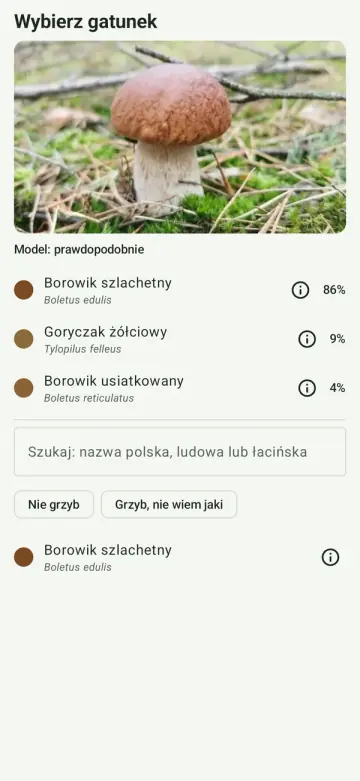 Mushroom scanPhoto and result right away, even without signal. Always “probably”, with a percentage and look-alikes.
-
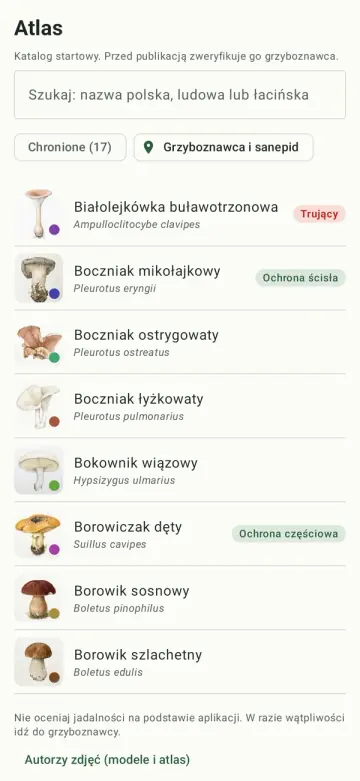 Atlas233 species — protected and poisonous ones marked right in the list.
-
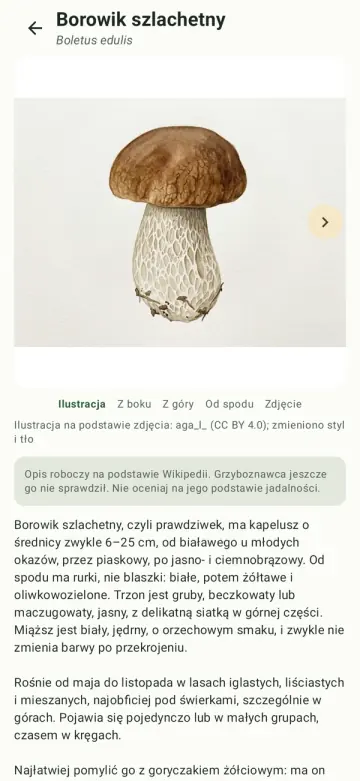 Species pageIllustrations, features and look-alikes of every species.
-
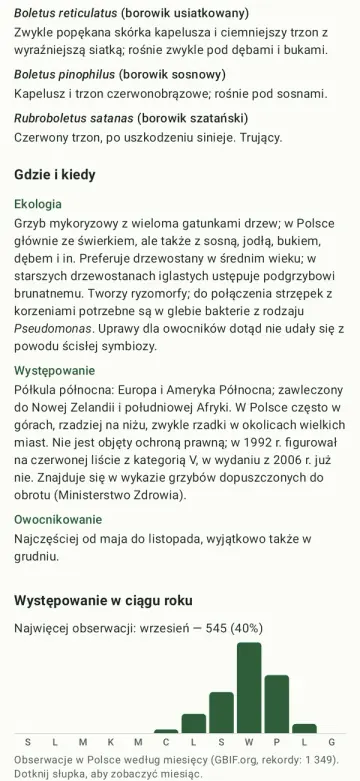 Where and whenWhat matters most to a forager: where it grows and whether it is time to head to the forest. A chart of observations from all over Poland.
-
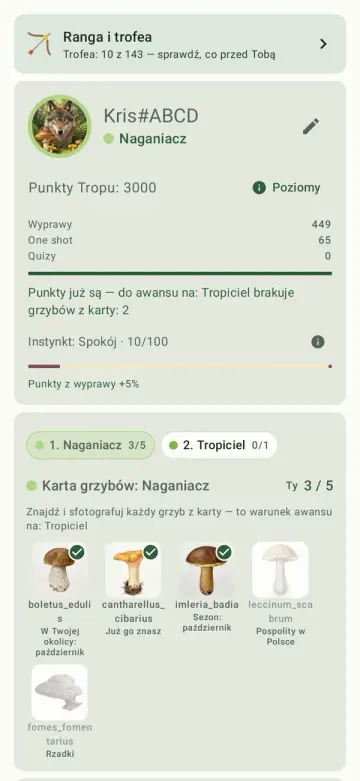 Mushroom cardYour finds with photos: what you already know and what is still ahead.
-
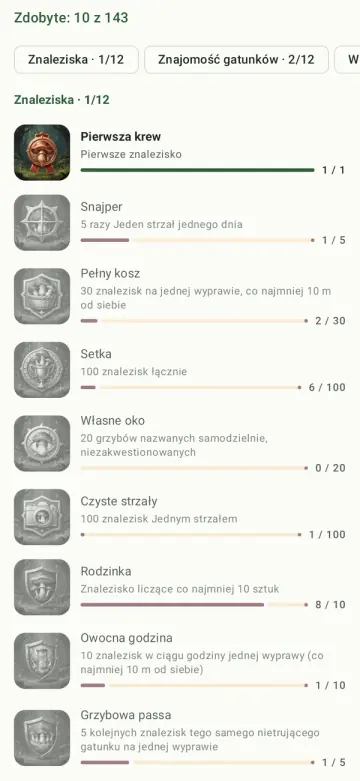 Trophy cabinet143 trophies — every trip leaves a mark.
The forest is the board, the basket is the score
Gribo combines real mushroom picking with learning, and the game elements are an extra for those who want them. It rewards knowledge and walking in the forest — not the amount of mushrooms collected. And safety is rule number one.
-
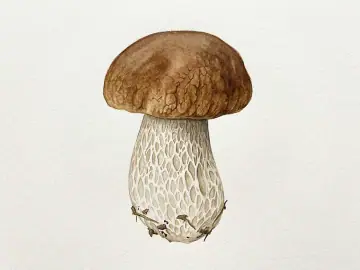
Take a photo of a mushroom
The camera guides you through three shots: cap, underside and base. The result is always “probably”, with a percentage and look-alikes — even without signal.
-

Save your spot and get back to the car
Finds land on the map, and spots remember what, how many and when. Navigation guides you to the spot and back to your car.
-

Head out on an expedition with friends
A solo trip or a live expedition: Foray, Race or Collector. At the end you see kilometres and a ranking.
-

Earn Track Points and ranks
8 ranks and 143 trophies. Rank names depend on your forager profile — the Hunter goes from Novice to Grand Forager, the Provider from Spore to King of Boletes. Points for knowledge and walking — not for the number of mushrooms picked.
Name a mushroom by voice
Hands full with a knife and a basket? No typing needed. Take the photo, tap 🎙 next to the shutter and say the mushroom's name — Gribo saves the find under that name.
Photo first, then 🎙
The shutter only takes photos. Right after one, tap the 🎙 button next to it and say the name — it goes to that photo. Listening stops by itself after a moment of silence or when you tap 🎙 again.
With the number of pieces
Say “five porcini” or simply “chanterelle”. Gribo understands common, folk and Latin names in many languages — including inflected and plural forms.
Even without signal
Speech is recognised on the phone, so it works in the forest without coverage when the phone has the language pack. If it doesn't, Gribo uses the internet and downloads the pack for next time.
Safety before convenience
If the camera sees a possible deadly poisonous look-alike, or is sure it's a different genus, Gribo asks you to confirm before saving. If several species match, you get a short list to choose from. After saving, “Undo” is available for a few seconds.
Points for your own knowledge
Naming a mushroom yourself counts as your own identification: +15 Track Points.
Available in Gribo for Android.
Ask foragers on the forum
On forum.gribo.app you can post a mushroom photo for identification, read about dangerous look-alikes and arrange a foraging trip. GriboBot suggests a species right away, and foragers add their comments. The forum is in Polish. Anyone can read it; to post, you need an account.
What’s new in Gribo
Foragers on the forum and your friends can give a second opinion on a mushroom, the map holds notes and routes, and the app itself is noticeably lighter. Some of these changes reach phones with the next update.
Ask on the forum
In a find’s preview, tap “Ask on the forum”. The photos go without location or EXIF data as a new topic in the Identification section (Rozpoznawanie) on forum.gribo.app. GriboBot replies right away, then fellow foragers. The forum is in Polish. With no signal, the question waits on the phone and goes out once the network is back.
Ask your friends
“Ask friends to check” sends trusted friends up to three shots with your classification, without the location. They answer with one tap: “I agree”, “Different species” or “Not sure”. Offline, requests and answers wait in a queue.
Notes on the map
Hold the map to add a note with a name, a description and a photo from the gallery: a fallen tree, a spring, a good place to rest. You can send a note to friends, and you’ll find all of them in Me → My notes.
Routes with points
Plan a route point by point or build it from a trip’s track. In the forest the Gribo compass guides you, and when you reach a point it switches to the next one by itself. You can share the route with the whole expedition and drive to its start with car navigation.
Cap, stem base, underside
The camera takes you through three shots in the order you hold the mushroom: the cap from above, the stem base, and last the underside with gills or pores. Once the mushroom is dug out, you turn it straight over for the final photo.
Two or three similar species
The suggestion shows the two most likely species, and a third only when the results are close. A poisonous or deadly poisonous species never drops off the list. You can change this in Settings → Camera → “Similar species in the suggestion”.
A lighter app
If you forage on your own, the app alone is enough. The game, skins and songs are packs you download when you need them, and the species drawings in the Atlas download by themselves after the first launch.
Tidier finds
“Delete find” removes a find from the map or the Atlas together with every shot in its series. Settings are split into cards with shortcuts, and you pick the language from a list.
Choose your hero
Follow the rank path of your clan or become a Lone Wolf: at every rank you draw three heroes and pick a unique character that suits you. 127 heroes in 13 groups — from the fox and the owl to the gnome, the forest spirit and the alien. Your avatar's frame takes on the colour of your rank.
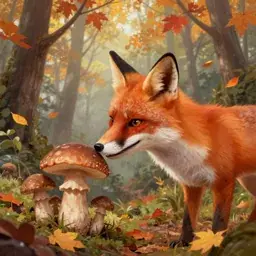 FoxPredators
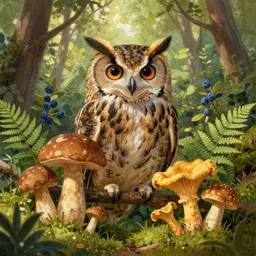 OwlPredators
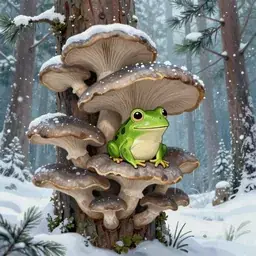 Umbrella frogJust for fun
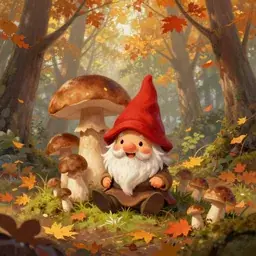 GnomeFairy tale
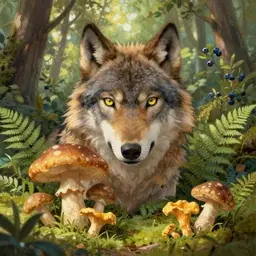 WolfPredators
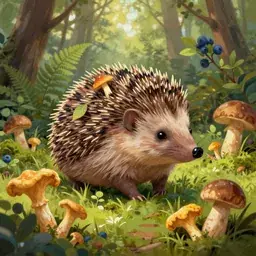 HedgehogForest animals
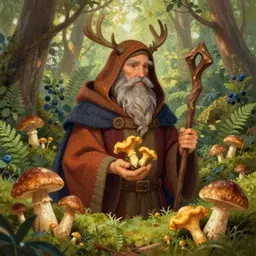 DruidFairy tale
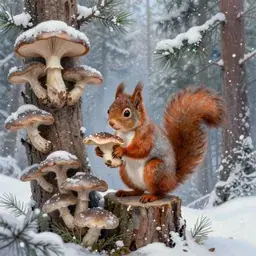 Red squirrelForest animals
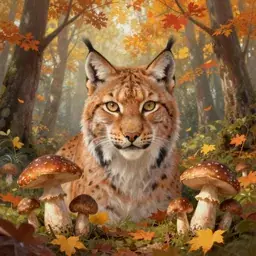 LynxPredators
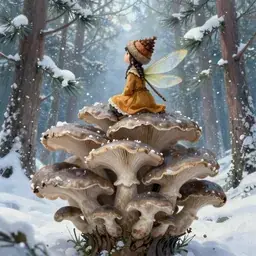 FairyFairy tale
 Granny's big basketJust for fun
 Woman trapperHunters
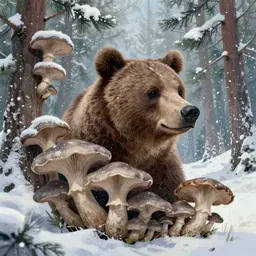 BearPredators
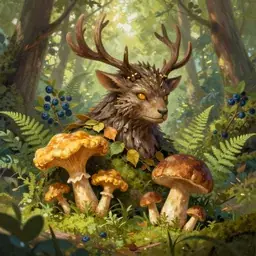 LeshyFairy tale
 Boy with a basketKids
 BadgerForest animals
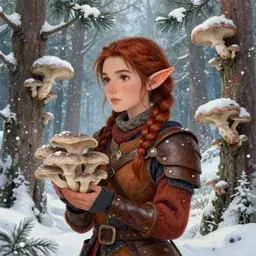 Elf womanFairy tale
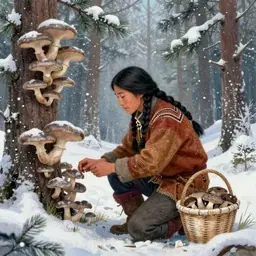 Native trackerForest peoples
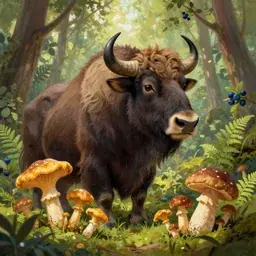 BisonForest animals
 Native herbalistForest peoples
 AlienSci-fi
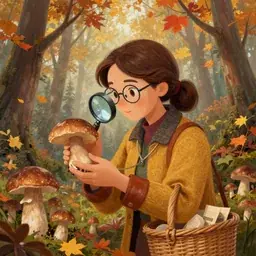 MycologistProfessions
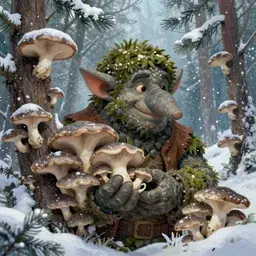 TrollFairy tale
 AndroidSci-fi
Trophy cabinet
143 trophies — from an early-morning trip to feats that only a few will achieve.
-
 Early bird Normal A find on an expedition started between 5 and 7 am
- Back to the car Normal 10 expeditions ended by the car
-
 First poisonous one recognised Normal A poisonous or deadly species — photographed, not picked
-
 Champion Hard Win 10 outings
-
 Rescuer Hard Guide to a participant marked “I don't know where I am” until they're found
-
 Forest horde Very hard An outing with at least 10 people
-
 Guardian angel Very hard Help 5 lost participants find their way
-
 Level Collector: Master Almost impossible Every mushroom card complete in all 5 level-name sets, plus all other trophies
9 hero paths
You choose a forager profile and it sets your path: its own names for the 8 ranks and a new character at each of them.
-
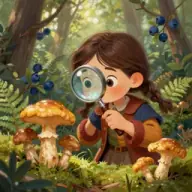 SageCurious One → Sage

-
 ScoutScout Recruit → Trail Legend
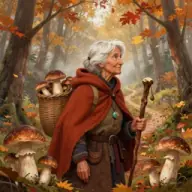
-
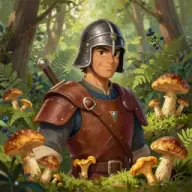 WarriorRecruit → Grand Hetman
-
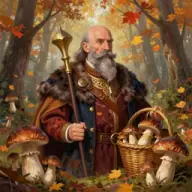
 AchieverNovice → Grand Forager
-
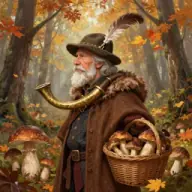
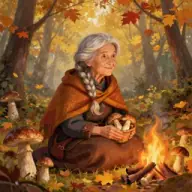
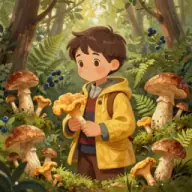 CompanionGuest → Soul of the Wildwood
-
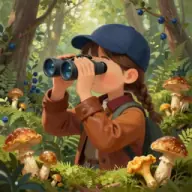 GuardianObserver → Rock of the Forest
-
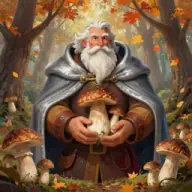
 ProviderSpore → King of Boletes
-
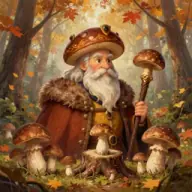
 WandererAcorn → Lord of the Wildwood
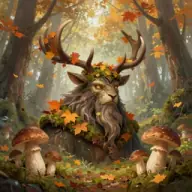
- Lone WolfPup → Legend of the Wild
Promotion: from 2,500 to 100,000 Track Points and a complete mushroom card for your rank. Your rank never goes down. All ranks and characters
What grows in November?
Species in season according to observations in Poland (GBIF). Open the Atlas


Rule no. 1: Gribo never says that a mushroom can be eaten. Identification from a photo does not replace a mushroom expert. Leave protected species in the forest. If you have symptoms of poisoning, call 112. Safety rules
Frequently asked questions
What is Gribo?
Gribo is a free educational app for mushroom foragers. It identifies mushrooms from a photo on your phone (even without signal), saves your finds on a map, guides you back to your car and rewards trips with Track Points, trophies and ranks on one of eight hero paths.
How do I install Gribo?
Open Gribo on Google Play, install it and launch it. On first launch choose your language, forager profile and avatar, allow the camera and location, and off you go. Android 10 or newer is required.
Will Gribo be available for iPhone?
Yes. You can already install Gribo on iPhone as a beta through Apple's TestFlight (button in the “Get the app” section), and it is coming to the App Store soon.
Will Gribo tell me whether a mushroom is edible?
No. Gribo never says that a mushroom can be eaten. An identification is always “probably”, with a percentage and a list of look-alikes, and for deadly poisonous species the app shows a red warning. Whether a mushroom is fit to eat is for a qualified mushroom expert to decide.
Does Gribo work in the forest without internet?
Yes. Mushroom identification, the Atlas, the “Back to the car” compass and “Guide in the forest”, solo trip recording and a previously downloaded offline map work without signal. Internet is needed for live expeditions and duels, sending spots to friends, the community map and downloading 3D models and the offline map.
Who can help me identify a mushroom from a photo?
The identification on your phone is a suggestion. For a second opinion, open the find’s preview: “Ask on the forum” starts a topic on forum.gribo.app, where GriboBot and foragers reply, and “Ask friends to check” sends the photos to your friends. An opinion from the forum or from friends is not an expert assessment. Whether a mushroom is fit to eat is for a qualified mushroom expert to decide.
Can I tell Gribo the mushroom's name by voice?
Yes. In the camera, take the photo, tap the 🎙 button next to the shutter and say the name — e.g. “five porcini”. Gribo understands common, folk and Latin names, and recognises speech on the phone, even without signal (when the phone has the language pack). If there is a possible deadly poisonous look-alike, the app asks you to confirm before saving.
Are my spots safe?
Photos, exact locations and spots stay on your phone. You share them with friends end-to-end encrypted — exactly or “blurred”. Only an approximate area, the species and the month go to the community map (the number of mushrooms only if you enable it), and only if you choose so yourself. Switching it off removes everything from the server.
How do you earn Track Points?
On trips: +10 per find, +3 for each doubling of pieces in a find (up to +12), +50 for a new species, +60 for your first identification of a poisonous species, a point for every 250 m walked and +10 for ending a trip at the car (if there was at least one find). Plus +5 for a One shot, +15 for your own identification and up to 30 a day for quizzes in Learn.
How much does Gribo cost?
The app is free. You can support it voluntarily (Chanterelle, Parasol, Porcini) and get bonuses, such as an extra place on an expedition, extra avatars, extra sets of rank names and the community map. 14 avatars are free. Payments will start with the Google Play release.
Do I have to compete?
No. You choose one of eight forager profiles — the Sage, the Guardian and the Wanderer hide rankings — and the Simple game mode (no points or gauge) or Basic (no ranks or trophies) leaves just the map, the Atlas and photo identification. Warnings about poisonous species are always the same.
The forest is waiting. So are the heroes.
Grab your phone and a basket and set off on your first expedition.